News
As a leading manufacturer of high-precision clamping systems for CNC machine tools in China, we provide product solutions for the CNC machine tool industry.
KURATA TOOLS - Leading Manufacturer of High Precision Clamping Systems. Discover How We Help




As a leading manufacturer of high-precision clamping systems for CNC machine tools in China, we provide product solutions for the CNC machine tool industry.
2026-09-09 17:22:59
CNC tool holders are essential components used to securely hold cutting tools in CNC machine tools. They connect the cutting tool to the machine spindle and help maintain tool positioning, rigidity, concentricity, and machining accuracy.
Different machining operations require different types of tool holders. Common options include ER collet chucks, end mill holders, Hydraulic Tool Holders, Shrink Fit Tool Holders, milling chucks, and drill chucks. The appropriate CNC tool holder depends on the machine spindle, cutting tool, machining operation, required accuracy, and cutting conditions.
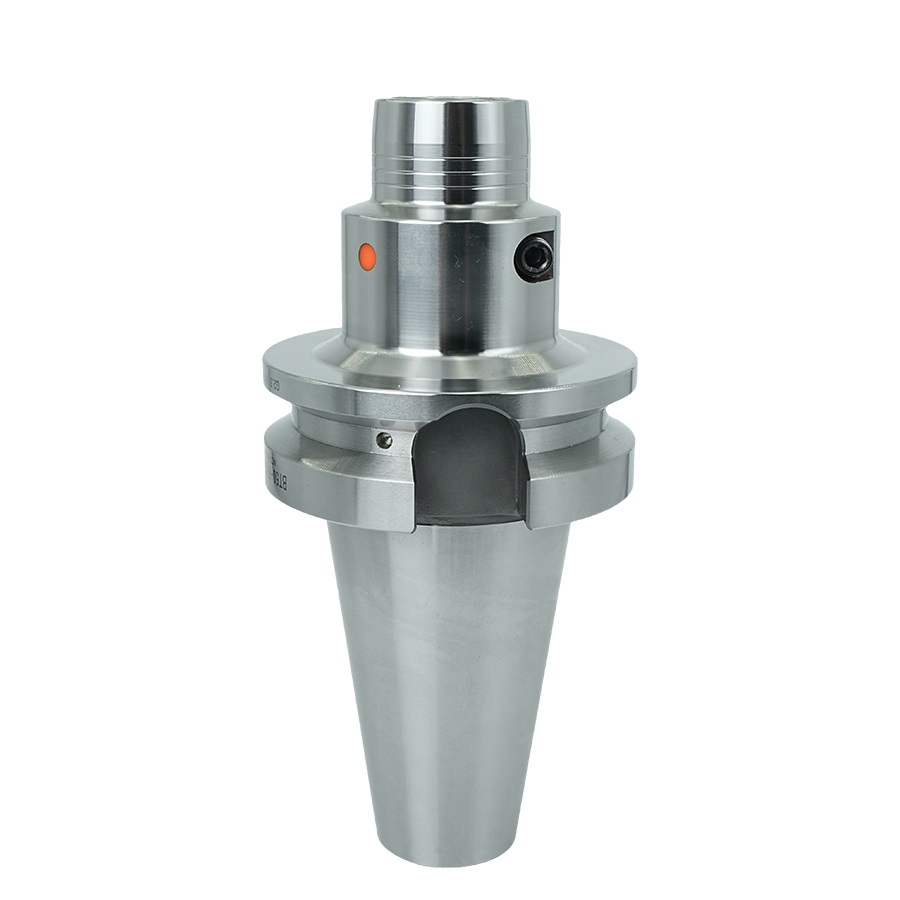
A CNC tool holder is a precision component installed between the CNC machine spindle and the cutting tool. Its main purpose is to clamp the tool securely while transferring rotational motion and cutting forces from the spindle to the tool.
A suitable CNC tool holder should provide stable clamping, good concentricity, sufficient rigidity, and reliable performance during machining.
The tool holder directly affects the stability and accuracy of CNC machining. A properly selected holder can help:
Secure the cutting tool
Reduce tool runout
Improve machining accuracy
Increase tool stability
Reduce vibration
Support higher cutting performance
Improve surface finish
Extend tool life
There are several CNC tool holder types, each designed for specific machining requirements.
The ER collet chuck is one of the most widely used CNC tool holders. It uses an ER collet and nut to clamp cylindrical cutting tools.
ER collet chucks are versatile and can accommodate different tool diameters by changing the collet. They are commonly used for milling, drilling, reaming, and general-purpose CNC machining.
Advantages include:
Flexible tool diameter range
Good clamping performance
Easy tool changes
Wide range of applications
Suitable for general CNC machining
An end mill holder is designed primarily for securing end mills. It typically uses a side-locking mechanism, such as a set screw, to provide strong clamping.
Because of its rigid construction, an end mill holder is often selected for applications involving relatively heavy cutting loads.
It is commonly used for:
Rough milling
Slot milling
Face milling
Heavy-duty machining
General end mill applications
A hydraulic tool holder uses hydraulic pressure to clamp the cutting tool. This design can provide accurate and uniform clamping while helping reduce vibration.
Hydraulic tool holders are commonly used for precision machining and finishing operations where low runout and stable tool performance are important.
A shrink fit tool holder uses thermal expansion and contraction to secure the cutting tool.
The holder is heated to expand the tool bore, allowing the cutting tool to be inserted. As the holder cools, it contracts around the tool and provides a secure, concentric connection.
Shrink fit tool holders are valued for:
High concentricity
Strong clamping
Good rigidity
Slim tool holder profiles
High-speed machining applications
A milling chuck is designed to provide strong clamping and rigidity for milling applications. It is often used when machining requires greater resistance to cutting forces.
Milling chucks can be suitable for roughing and other operations where rigidity and clamping strength are important.
A drill chuck is mainly used to hold drill bits and other cylindrical-shank tools. It provides a convenient solution for drilling applications where frequent tool changes may be required.
Drill chucks can be used on suitable CNC machines and machining setups depending on the required accuracy and operating conditions.
In addition to the clamping mechanism, CNC tool holders are also classified according to their spindle interfaces.
BT Tool Holders are widely used on CNC milling machines and machining centers. The BT interface provides a standardized connection between the tool holder and machine spindle.
BT tool holders are available in different sizes to match different CNC machine configurations.
CAT tool holders are commonly used with CNC machining centers, particularly in North American manufacturing environments. They are available in different taper sizes and configurations for various machining applications.
HSK Tool Holders use a hollow-shank interface and are designed for high-speed and precision machining applications.
The HSK design provides a rigid connection and can offer good repeatability, making it popular for high-speed CNC machining.
Choosing the correct CNC tool holder requires consideration of several factors.
First, check the spindle interface of the CNC machine. The tool holder must be compatible with the machine spindle, such as BT, CAT, or HSK.
Consider the type and diameter of the cutting tool. An ER collet chuck, end mill holder, or shrink fit tool holder may be suitable depending on the tool design.
The best tool holder depends on whether the application involves rough milling, finishing, drilling, high-speed machining, or other operations.
For precision machining, tool runout and concentricity become especially important. Hydraulic and shrink fit tool holders are often considered for applications requiring precise tool positioning.
Cutting speed, feed rate, cutting depth, material being machined, and cutting forces should also be considered when selecting a tool holder.
Tool holder length affects rigidity and accessibility. A shorter setup is generally preferred when possible because excessive tool length can increase deflection and vibration.
Different machining applications may require different CNC tool holder types.
| Machining Requirement | Common Tool Holder |
|---|---|
| General-purpose milling | ER Collet Chuck |
| End mill machining | End Mill Holder |
| Precision finishing | Hydraulic Tool Holder |
| High-speed machining | Shrink Fit Tool Holder / HSK Holder |
| Heavy milling | Milling Chuck |
| Drilling | Drill Chuck |
| CNC machining center | BT / CAT / HSK Tool Holder |
The actual choice should always be based on the machine, cutting tool, workpiece material, and machining conditions.
Selecting a suitable CNC tool holder can improve the overall machining process.
A stable tool holder helps maintain the position of the cutting tool and can reduce unwanted runout.
A rigid tool holder can help resist cutting forces and reduce tool deflection during machining.
Proper clamping and a suitable holder design can help minimize vibration, particularly during high-speed or precision machining.
Stable tool positioning and reduced vibration can contribute to more consistent surface quality.
Reducing tool movement, vibration, and excessive runout may help prevent premature tool wear.
A CNC tool holder is a precision component that connects a cutting tool to a CNC machine spindle and securely holds the tool during machining.
Common types include ER collet chucks, end mill holders, hydraulic tool holders, shrink fit tool holders, milling chucks, and drill chucks.
An ER collet chuck is a versatile tool holder used to clamp various cylindrical cutting tools. It is commonly used for milling, drilling, and general CNC machining.
Yes. Shrink fit tool holders are commonly used for high-speed and precision machining because they can provide good concentricity, rigidity, and balanced tool clamping.
BT, CAT, and HSK primarily refer to different spindle interface systems. They have different designs and are intended for compatibility with corresponding CNC machine spindles.
There is no single best option for every application. Hydraulic tool holders, shrink fit tool holders, and suitable high-precision collet systems may be considered depending on the machine, tool, speed, and machining requirements.
There are many CNC tool holder types, and each has specific advantages for different machining applications. ER collet chucks, end mill holders, hydraulic tool holders, shrink fit tool holders, milling chucks, and drill chucks are among the most commonly used solutions.
When selecting a CNC tool holder, manufacturers should consider spindle compatibility, cutting tool type, machining operation, required accuracy, cutting conditions, rigidity, and tool length. Choosing the right holder can help improve machining stability, accuracy, surface finish, and overall production efficiency.
KURATA Tools specializes in the R&D, production, and sales of high-precision clamping systems for CNC machine tools.
E-mail:sales@kuratatools.com