News
As a leading manufacturer of high-precision clamping systems for CNC machine tools in China, we provide product solutions for the CNC machine tool industry.
KURATA TOOLS - Leading Manufacturer of High Precision Clamping Systems. Discover How We Help




As a leading manufacturer of high-precision clamping systems for CNC machine tools in China, we provide product solutions for the CNC machine tool industry.
2026-08-21 17:47:28
Choosing the right SK collet chuck comes down to three checks: matching the spindle interface — SK30, SK40, or SK50 — to your actual machine, selecting the correct ER collet size for the tool diameter you're running, and confirming the runout and balancing specification meets what your job actually requires. Getting the spindle interface wrong means the chuck simply doesn't fit; getting the collet size or precision spec wrong is a subtler mistake that shows up as inconsistent finish quality or premature tool wear.
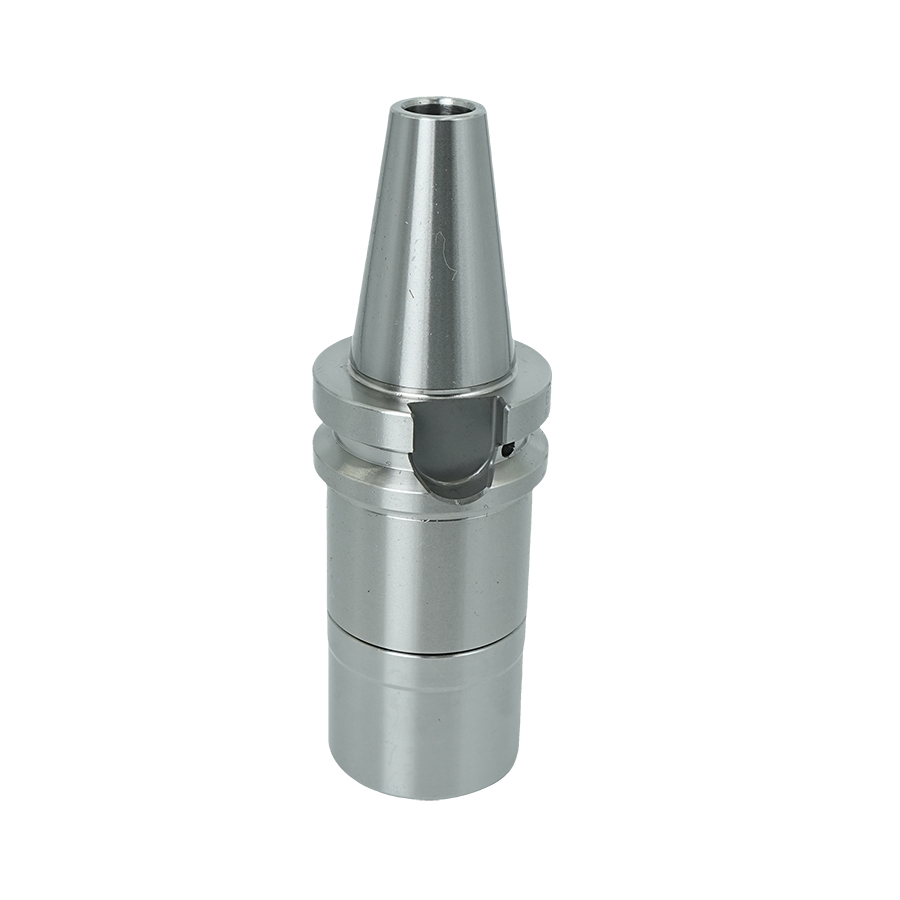
SK collet chucks are built around specific spindle interfaces — SK30, SK40, and SK50 are the common sizes. This is the first spec to confirm, before anything else, since it determines basic compatibility with your machine rather than being a performance tradeoff. If you're not certain which interface your spindle uses, check your machine's documentation or measure the taper directly rather than assuming based on machine size alone — smaller machines don't always use SK30, and larger machines aren't always SK50.
SK collet chucks are typically designed to work with ER-series Collets, commonly available across ER11, ER16, ER20, ER25, and ER32 sizes, each covering a different tool diameter range. The right ER size depends on the diameter of the cutting tools you're actually running — a chuck fitted with an oversized collet series for a small-diameter tool wastes clamping precision, while an undersized collet series simply won't accommodate a larger tool shank. Confirm which ER collet series your SK chuck is set up for, and whether your supplier can supply the specific collet sizes within that series that match your actual tooling.
Precision SK collet chucks are commonly specified with runout accuracy around ≤0.003mm and dynamic balancing to G6.3 at speeds up to 12,000 RPM, depending on size. These numbers matter more as your operation gets more precision-sensitive — a finishing pass on a tight-tolerance part is far more sensitive to runout than a rough drilling operation. Ask your supplier to confirm the runout and balancing figures for the specific chuck and collet combination you're ordering, not just the product line generally, since actual performance can vary between a fully assembled chuck-and-collet combination and the chuck's rated spec alone.
SK collet chucks are commonly used for CNC milling, drilling, and reaming across aerospace, automotive, and mold manufacturing applications, built from hardened steel for durability under repeated tool changes. They're a common choice when a job needs the flexibility of ER Collets — quick tool changes across a range of diameters — combined with the rigidity of a dedicated collet chuck design, rather than the tighter, single-diameter clamping of a Shrink Fit holder. If your work involves frequent tool diameter changes within a job, an SK collet chuck's ER compatibility is usually a practical advantage over holder types built around a fixed bore.
Which spindle interface does your machine actually use — SK30, SK40, or SK50 — confirmed by documentation or measurement?
Which ER collet series is the chuck set up for, and does it match your actual tool diameter range?
What's the documented runout and balancing spec for the specific chuck-and-collet combination, not just the general product line?
Does your application involve frequent tool diameter changes, where ER collet flexibility matters more than a fixed-bore holder?
If you know your spindle interface and tool diameter range, send the details directly for a recommendation — for a broader definition of what SK Collets are and how they're constructed, see our SK collets overview.
The number refers to the spindle taper size and generally corresponds to the machine's spindle interface — SK30 is used on smaller machines, SK50 on larger ones, with SK40 in between. Confirm your machine's actual spindle interface rather than assuming based on machine size alone.
SK collet chucks are commonly set up for ER11, ER16, ER20, ER25, or ER32 collets, each covering a different tool diameter range. Confirm which ER series your specific chuck uses and whether it covers the tool diameters you actually run.
Precision SK collet chucks commonly specify runout accuracy around ≤0.003mm with balancing to G6.3 at speeds up to 12,000 RPM. Confirm this figure for the specific chuck-and-collet combination you're ordering rather than the product line generally.
An SK collet chuck offers flexibility for frequent tool diameter changes through its ER collet compatibility, while a shrink fit holder typically offers tighter runout for a fixed tool diameter. If your job changes tool diameters often, the collet chuck's flexibility is usually the practical advantage.
KURATA Tools specializes in the R&D, production, and sales of high-precision clamping systems for CNC machine tools.
E-mail:sales@kuratatools.com